What a storm does to a snow business
The snow is the easy part. The calls, the claims and the counting are what eat your night.
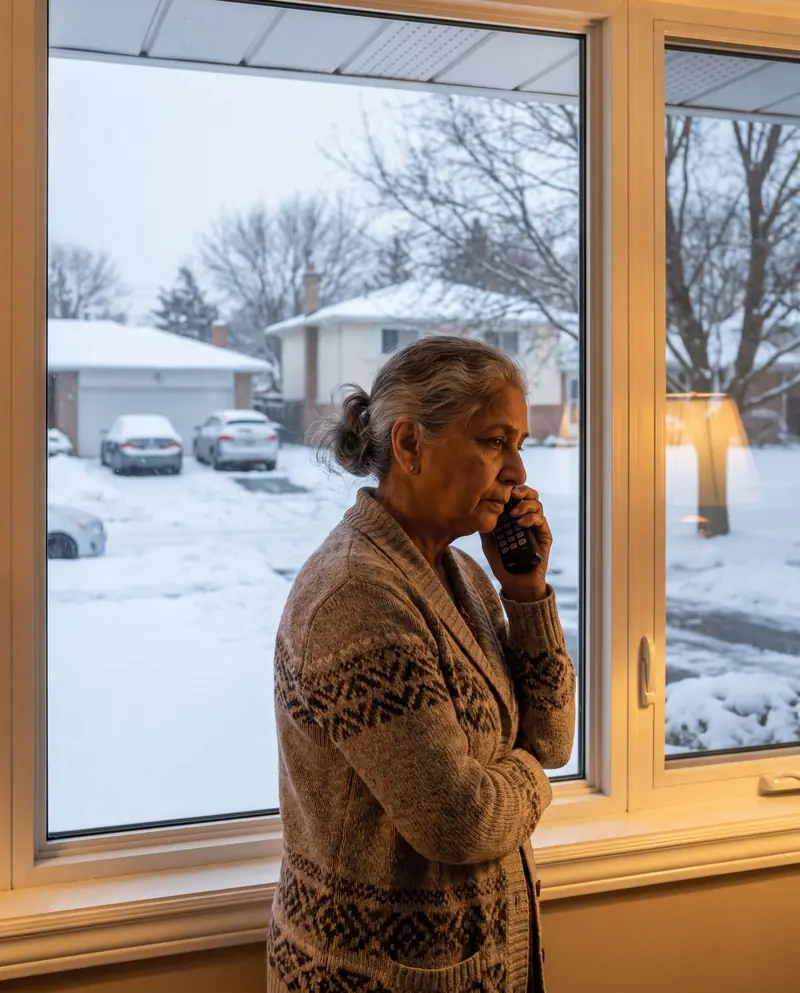 Am I on your list?
The phone doesn't stop
A storm turns every client into a caller at the same moment. They want to know if they're on the list, when you're coming, whether you can do the neighbour's too. Meanwhile you're in the truck, both hands busy.
- Every call answered, several at once
- Clients hear their route and window in plain words
- Only the calls that need you ring your cell
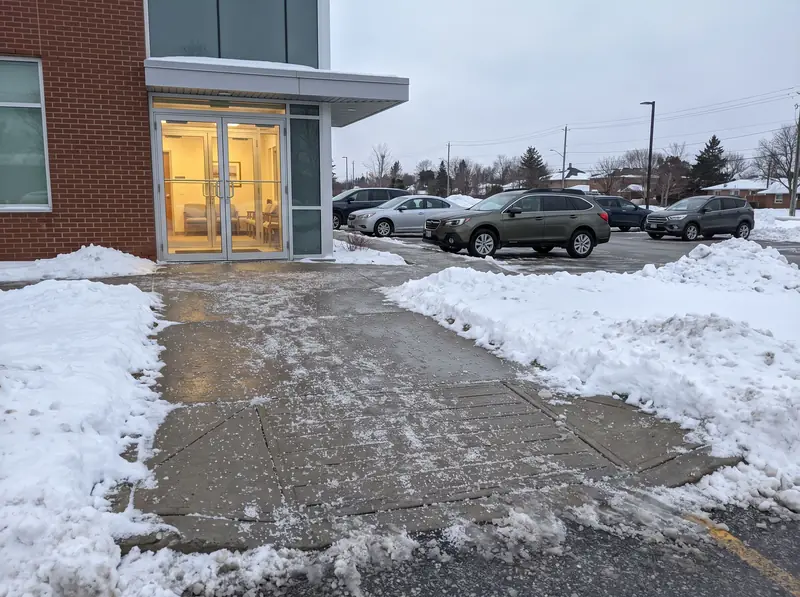

Slip-and-fall claims show up months later
A fall on a walkway you cleared can turn into a claim long after the snow has melted. What helps is a dated record of when you were there and what you told your client.
Ontario rule of thumb. For an injury caused by snow or ice, the Occupiers' Liability Act requires written notice within 60 days, served on the property's occupier or the contractor hired to clear it. The general deadline to sue is two years. Not legal advice; ask your insurer and your lawyer.
- Every call and text time-stamped and kept
- A fall reported on the line is written down and sent to you as urgent
- The line never admits fault or talks insurance
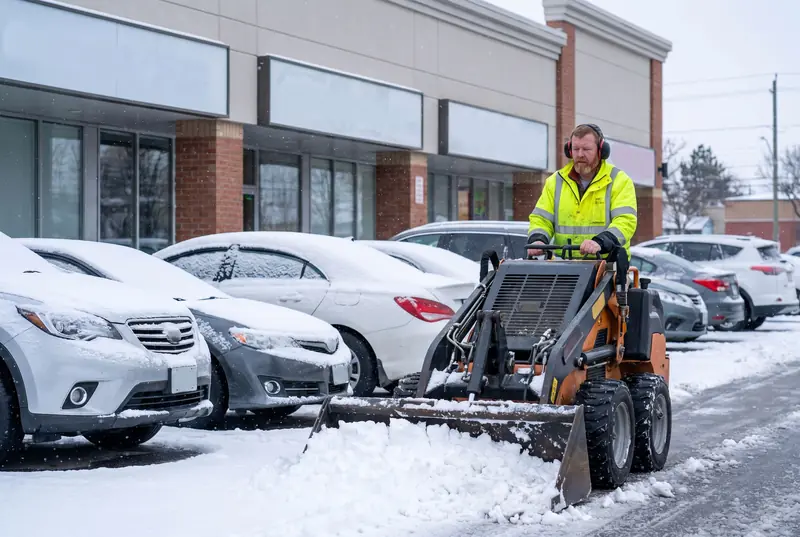
Per-push billing means counting every visit
Seasonal, per push, per event, hourly. If you bill by the push, every visit to every property has to be counted, and at month end that usually means memory and scraps of paper.
- "Done" texts sent route by route, each one saved with its time
- A list per storm of who heard from you and when
- Photo proof per visit is coming next, if customers want it
Every client has a reason to call
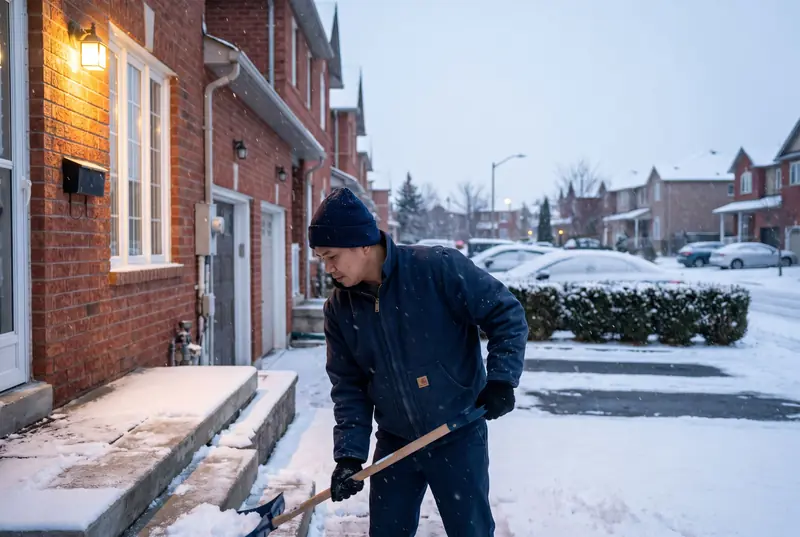
Shift workers, parents, seniors, store owners, property managers. On a storm morning they all call at once.

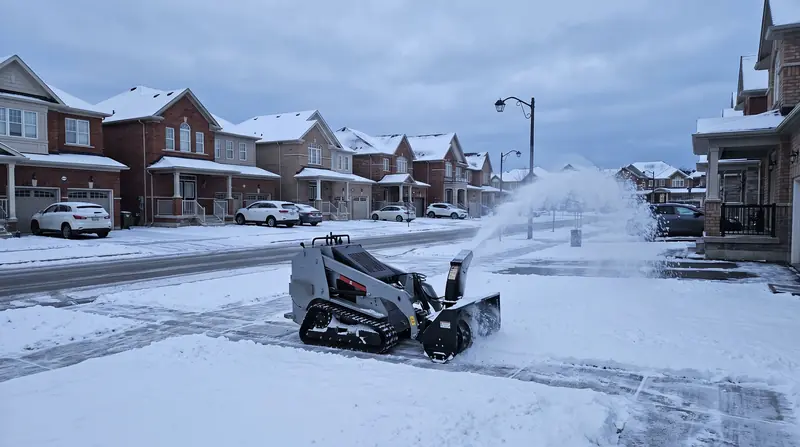

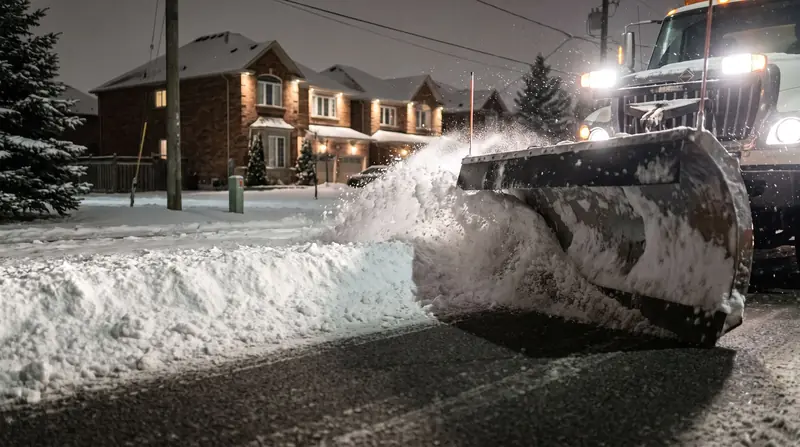
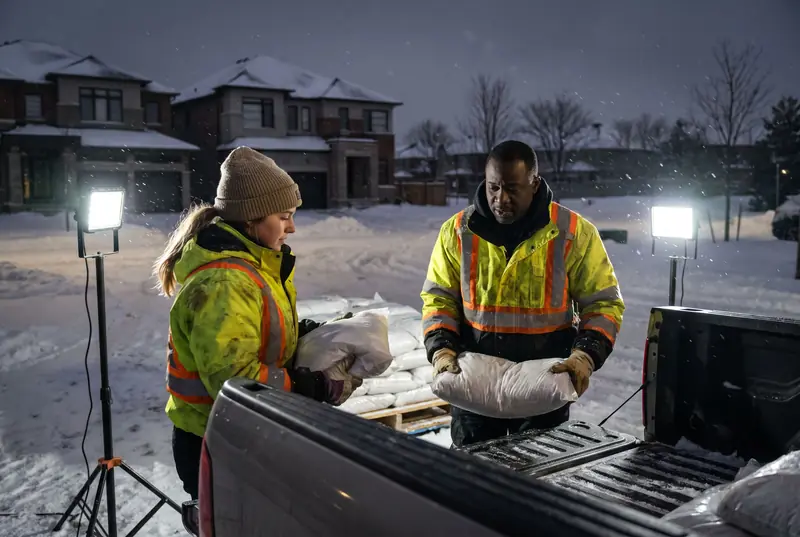
A storm night, with the storm line
What the night looks like when your phone answers itself. The times are an example, not a promise about the weather.
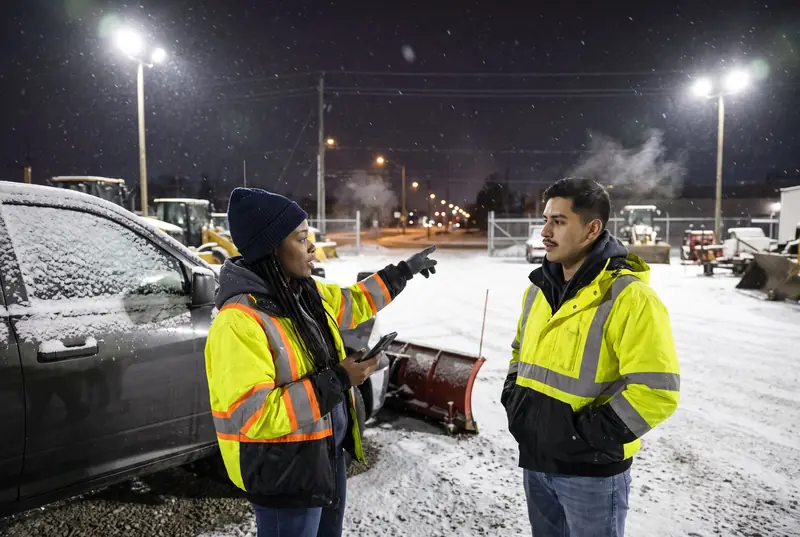
The forecast firms up
You set tomorrow's storm plan from your phone and send every client the "snow is coming" text.
Crews head out
The early callers start: shift workers, nurses, anyone leaving by six. Each one hears their route and window.
The busiest hour
Several calls at once, a new commercial request, a client who can't get out for dialysis. That one rings your cell.
Texts go out
"On our way" to Route B in one send. "Done" to Route A.
The snow stops
You add the second-pass window to the plan. Everyone who calls hears it.
The summary
Every call summarized, every new request in one list, every text logged. Read it at the table, not at the wheel.
Property managers call as often as homeowners
Plazas, condos, medical buildings and offices all want to know when their lot will be open. The storm line gives them the window for their site and passes anything urgent straight to you.
Get your line answering before the first snow sticks
In Toronto the first snow that stays usually lands in the second half of November. Fifteen minutes now saves a lot of missed calls later.